

Wellness Design: Creating Spaces That Support Health, Happiness, and Human Connection

At Susanne Desbrow Interior Design, we believe great design should do more than look beautiful, it should help people feel better. As our lives become increasingly busy and technology-driven, creating spaces that support physical, emotional, and mental well-being is no longer a luxury; it's essential.
This philosophy is at the heart of our work and the inspiration behind Emotive Interiors™, our wellness-focused design framework that helps people create spaces aligned with how they want to feel.
What Is Wellness Design?
Wellness design is an approach that intentionally shapes environments to support health, comfort, and overall well-being. Rather than focusing solely on aesthetics or functionality, wellness design considers how a space affects mood, energy, productivity, stress levels, and quality of life.
Every design decision, from lighting and materials to colour palettes and furniture placement, has the potential to influence how we experience a space. When thoughtfully designed, our environments can help us feel calmer, more energized, more connected, and more at ease.
At SDID, we believe our homes and workplaces should actively contribute to our well-being rather than simply provide shelter.
The Emotive Interiors™ Approach
Through years of designing residential and commercial spaces, we recognized that people don't just want beautiful rooms, they want spaces that support their lifestyle, values, and emotional needs.
That's why we developed Emotive Interiors™, a wellness-based design system that helps identify the emotional qualities people want to experience in their environments. Whether someone seeks clarity, connection, expression, restoration, or inspiration, their space should reinforce those feelings every day.
By combining evidence-based wellness principles with personalized design strategies, we create environments that feel meaningful, supportive, and deeply personal.

Key Elements of Wellness Design
Natural Light
Natural light remains one of the most impactful wellness features in any space. Exposure to daylight supports healthy circadian rhythms, improves mood, increases focus, and promotes better sleep.
At SDID, we maximize natural light through thoughtful space planning, strategic window treatments, reflective finishes, and carefully selected colour palettes that enhance brightness throughout the day.
Connection to Nature
Humans are naturally drawn to nature, and incorporating natural elements into interior environments can significantly reduce stress and improve overall well-being.
This connection can be achieved through:
Indoor plants and living greenery
Natural wood and stone materials
Organic textures and patterns
Views to outdoor landscapes
Nature-inspired colour palettes
These elements help create spaces that feel grounded, calming, and restorative.
Healthy Materials
The materials we bring into our homes matter. Wellness-focused design prioritizes sustainable and low-toxicity products that support healthier indoor environments.
We carefully consider:
Low-VOC paints and finishes
Sustainable flooring materials
Natural textiles and fabrics
Durable products with reduced environmental impact
Creating healthier spaces benefits both the people who occupy them and the planet we share.
Designing for Emotional Well-Being
One aspect that is often overlooked is the emotional impact of design.
The colours, textures, lighting, and furnishings within a space influence how we feel. Through the Emotive Interiors™ framework, we help clients understand which design elements support their desired emotional experience.
A calm retreat may require soft textures, muted colours, and layered lighting. A creative workspace may benefit from energizing colours, natural light, and flexible furniture arrangements. Every design choice contributes to the overall feeling of a space.
Wellness Design at Home
Our homes have become more than places to live. They are now offices, gathering spaces, wellness retreats, and sanctuaries from the demands of everyday life.
Wellness-focused residential design may include:
Bedrooms designed to support restful sleep
Living spaces that encourage connection and relaxation
Home offices optimized for productivity and focus
Kitchens that support healthy living and functionality
Quiet spaces for reflection, reading, or meditation
By intentionally designing these spaces, homeowners can create environments that support both daily routines and long-term well-being.
Wellness Design in the Workplace
Organizations are increasingly recognizing the connection between workplace design and employee health.
Thoughtfully designed commercial environments can help:
Reduce stress
Increase productivity
Improve employee satisfaction
Encourage collaboration
Support physical comfort
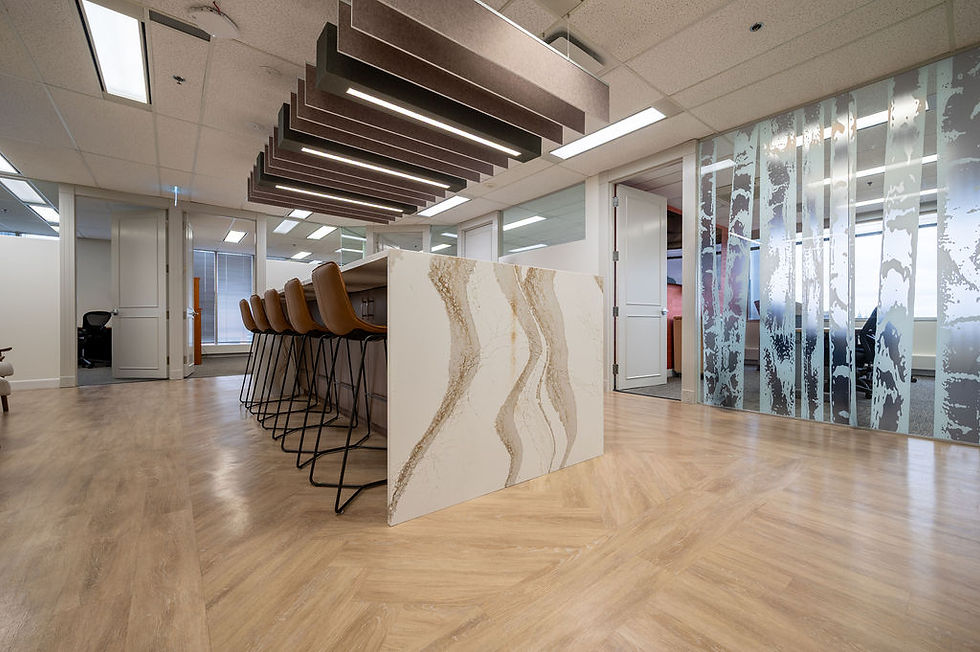
Features such as natural light, ergonomic furnishings, biophilic elements, and flexible workspaces contribute to healthier, more engaging workplaces.
At SDID, we help organizations create environments that support both people and performance.

Why Wellness Design Matters
Research continues to demonstrate the profound influence our surroundings have on our health and happiness. Well-designed environments can:
Reduce stress and anxiety
Improve mood and emotional resilience
Enhance focus and productivity
Support better sleep
Encourage social connection
Promote healthier lifestyles
The spaces we inhabit every day shape our experiences more than we often realize.
Creating Your Own Wellness-Focused Space
You don't need a complete renovation to begin improving your environment. Small changes can have a significant impact:
Introduce more natural light
Add plants and natural materials
Reduce clutter and visual stress
Choose healthier, low-toxicity products
Create dedicated spaces for rest and reflection
Incorporate colours and textures that support your desired mood
Most importantly, design your space around how you want to feel.
Designing for Well-Being
At Susanne Desbrow Interior Design, our mission is to create spaces that support healthier, more meaningful lives. Through our wellness-centered design philosophy and the Emotive Interiors™ framework, we help individuals and organizations create environments that nurture well-being, connection, and personal growth.
Because exceptional design isn't just about what you see, it's about how you feel.


Comments